
Our History
Rooted in This Land
For generations, Black Kentuckians have shaped the soil, trained the horses, and built the agricultural legacy of this commonwealth. This is that story.
Black Equine Excellence
We Rode First
Long before horse racing became America's most glamorous sport, Black men were its undisputed masters. From the earliest days of the Kentucky Derby to the training barns of the Bluegrass, Black horsemen built the foundation of American equine culture.
1875
Oliver Lewis Wins the First Kentucky Derby
On May 17, 1875, Oliver Lewis — a Black jockey from Kentucky — rode Aristides to victory in the very first Kentucky Derby at Churchill Downs. Lewis was one of 13 Black jockeys in a field of 15 that day, a testament to the dominance of Black horsemen in the sport.
1884–1902
Isaac Murphy: The Greatest Jockey of His Era
Isaac Murphy, born Isaac Burns in 1861 in Fayette County, Kentucky, became the first jockey to win three Kentucky Derbies — in 1884, 1890, and 1891. He boasted a career win rate of nearly 44%, a record that stood for decades. Murphy was celebrated for his integrity, refusing to throw races at a time when corruption was rampant.
1875–1902
Black Jockeys Dominated the Derby's First Era
Of the first 28 Kentucky Derby races, Black jockeys won 15. Names like Willie Simms, Alonzo Clayton, and Jimmy Winkfield carried the legacy of Black equine excellence. Winkfield, who won back-to-back Derbies in 1901 and 1902, later became a celebrated trainer in Europe after racial exclusion pushed him from American tracks.
1900s–Present
Erasure and Reclamation
As Jim Crow laws tightened, Black jockeys were systematically excluded from American racing. Tracks barred Black riders, owners refused to hire them, and their extraordinary history was buried. Today, organizations across Kentucky are working to restore this legacy — placing Black horsemen back at the center of the story they created.
Today
A New Generation of Black Equestrians
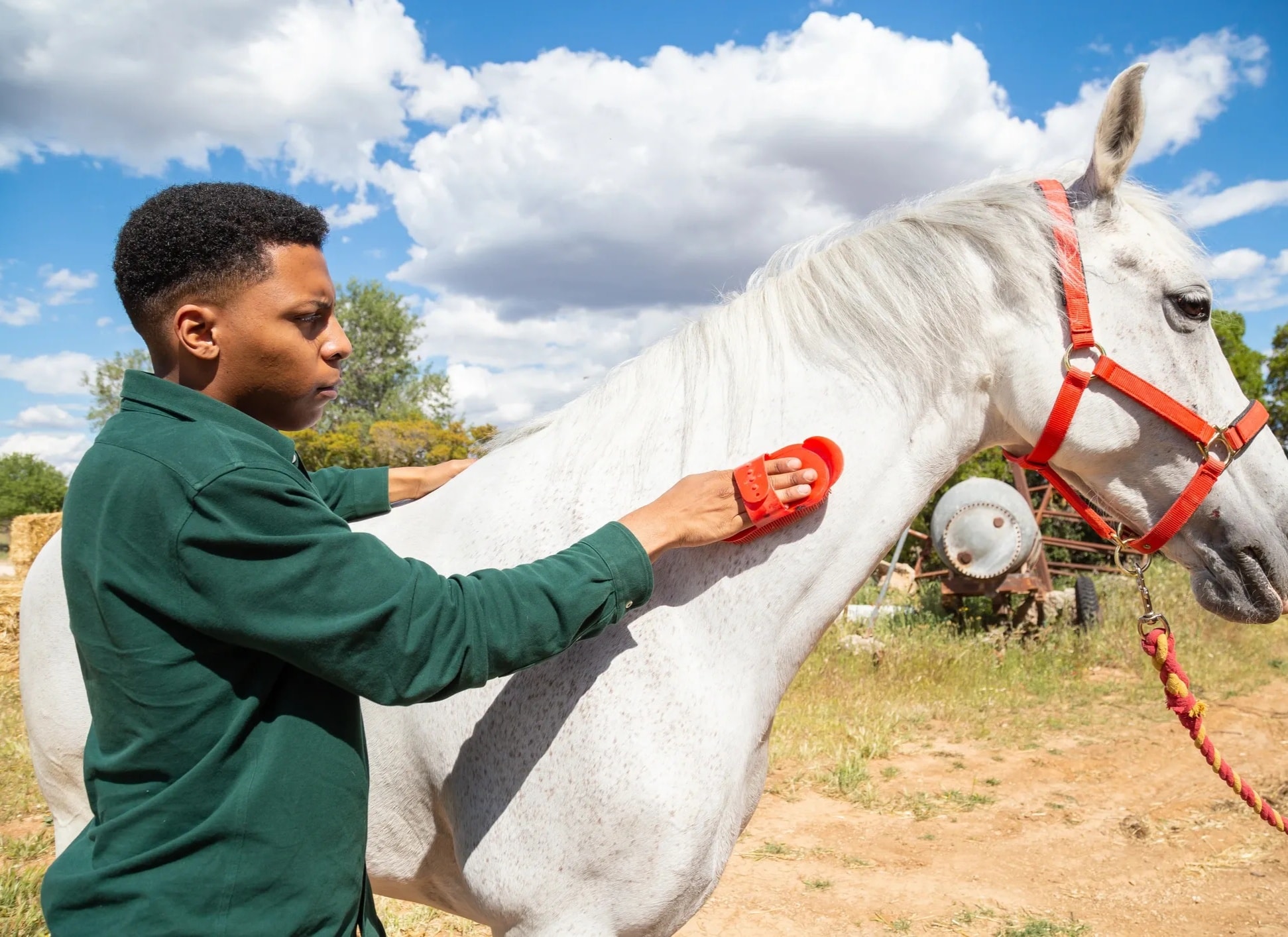
From trail riding clubs in rural Kentucky to competitive show rings, Black equestrians are reclaiming their birthright. Youth programs, community stables, and cultural organizations are introducing the next generation to a heritage that was always theirs.
Black Agricultural Heritage
Black Hands Built This Land
Kentucky's agricultural wealth — its tobacco fields, hemp farms, cattle ranches, and horse pastures — was built on the labor, knowledge, and ingenuity of Black people. From enslaved farmers who carried generations of agricultural wisdom from West Africa, to freedmen who carved out their own land after the Civil War, Black Kentuckians are inseparable from this state's farming identity.

African Agricultural Knowledge
Enslaved Africans brought with them deep expertise in rice cultivation, indigo farming, cattle herding, and land stewardship. This knowledge — extracted without credit or compensation — formed the backbone of Southern agriculture. In Kentucky, enslaved people managed hemp and tobacco operations that generated enormous wealth for white landowners while receiving nothing in return.
Freedom and Land After the Civil War
After emancipation, Black Kentuckians fought to own the land they had worked for generations. Despite broken promises of land redistribution, many freedmen and women scraped together resources to purchase small farms. By the early 1900s, Black land ownership in Kentucky had grown significantly — a hard-won achievement in the face of violent opposition and legal barriers.
The Great Dispossession
Between 1910 and 1997, Black farmers across America lost approximately 90% of their farmland — nearly 16 million acres — through discriminatory lending by the USDA, tax sales, heirs' property vulnerabilities, and outright theft. In Kentucky, Black farm families who had built generational wealth through land saw it stripped away through systemic injustice.
Black Farmers Today
Despite these losses, Black farmers in Kentucky persist. From small family operations growing heirloom vegetables to cattle ranchers and hemp growers, Black agricultural entrepreneurs are rebuilding what was taken. Organizations like the Federation of Southern Cooperatives and the Black Farmers and Agriculturalists Association continue to fight for land rights, USDA equity, and the preservation of Black farming heritage.
Kentucky's Black Heritage
A Commonwealth Shaped by Black Hands
Kentucky sits at a unique crossroads of American history — a border state, a horse state, a farming state — and Black Kentuckians have been central to every chapter of its story.
15 of 28
Early Kentucky Derby wins by Black jockeys
In the Derby's first era, Black jockeys were not the exception — they were the rule. Their dominance shaped the sport's earliest traditions.
1875
Year of the first Kentucky Derby
The race that would become America's most famous sporting event was won by a Black jockey, Oliver Lewis, riding a horse trained by Ansel Williamson — also Black.
Ansel Williamson
Trainer of the first Derby winner
Ansel Williamson, a formerly enslaved man, trained Aristides — the first Kentucky Derby champion. His expertise and legacy represent the deep roots of Black horsemanship in the Bluegrass.
Generations
Of Black farming families in Kentucky
Across the Bluegrass, Black families have farmed the same land for five, six, and seven generations — carrying forward traditions of stewardship, community, and resilience.
This History Belongs to All of Us
KY Southern Soul Ethnic Culture exists to ensure this legacy is never buried again. Join us in celebrating, preserving, and passing on the Black heritage that built Kentucky.